-
·
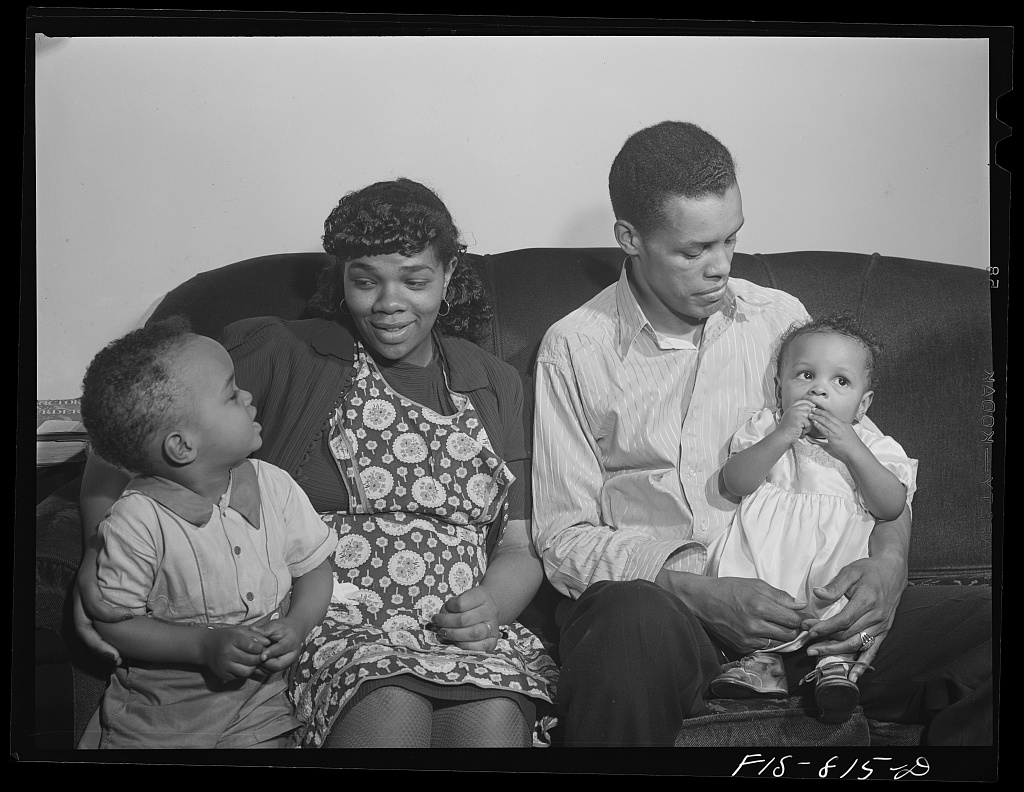
United States | African Americans: History, Citizenship, Rights and the Ongoing Struggle for Equality
LexNoir Atlas: A foundational profile of African Americans in the United States, from slavery and emancipation through Reconstruction, Jim Crow, the Great Migration, civil-rights law, voting, education, wealth, policing, institutions and the continuing gap between formal equality and lived outcomes.
-
·
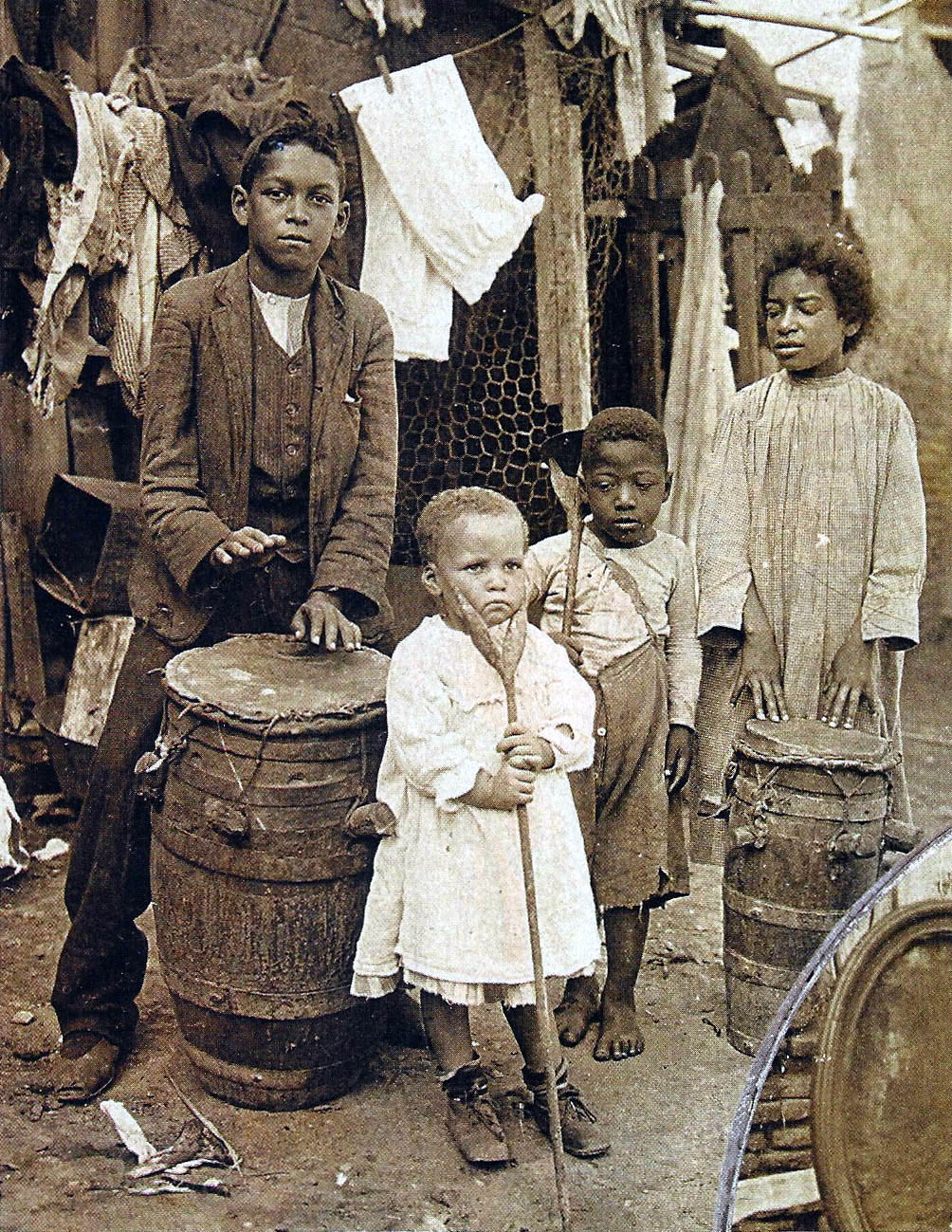
Argentina | Afro-Argentines: History, Erasure, Recognition and Belonging
LexNoir Atlas: An introduction to Afro-Argentines, from slavery and independence-era military service to demographic erasure, census recognition, anti-discrimination law, Afro-descendant activism and contemporary belonging.
-
·
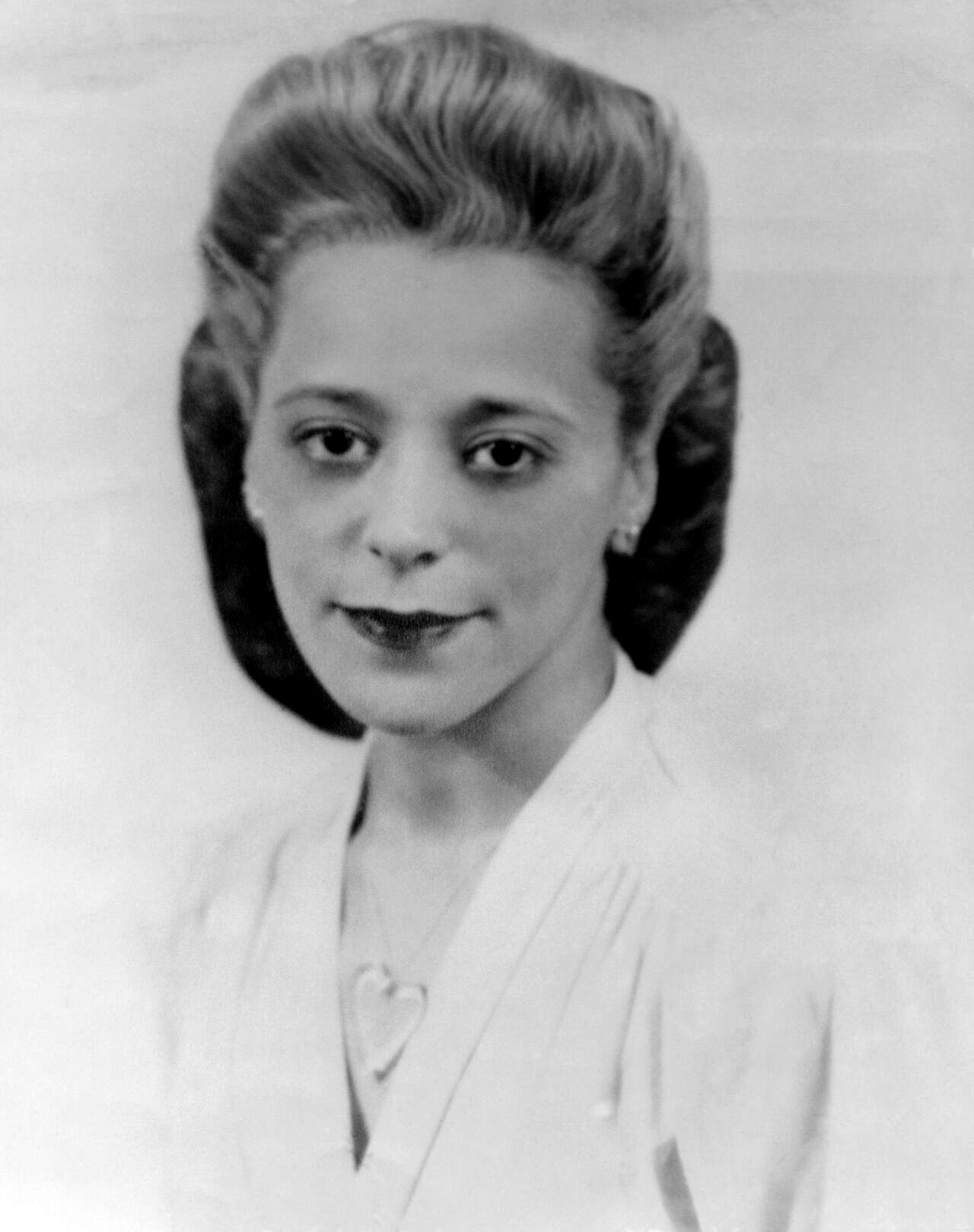
Canada | Black Canadians: History, Recognition, Rights and Belonging
LexNoir Atlas: An introduction to Black Canadians, from slavery, Black Loyalists and African Nova Scotian communities to Caribbean and African migration, constitutional equality, anti-Black racism and contemporary justice reform.
-

·
India | Siddis: African Heritage, Identity, Recognition and Belonging
LexNoir Atlas: An introduction to India’s Siddi communities, their African and Indian Ocean history, regional diversity, legal recognition, cultural traditions and contemporary questions of identity, opportunity and belonging.
-
·
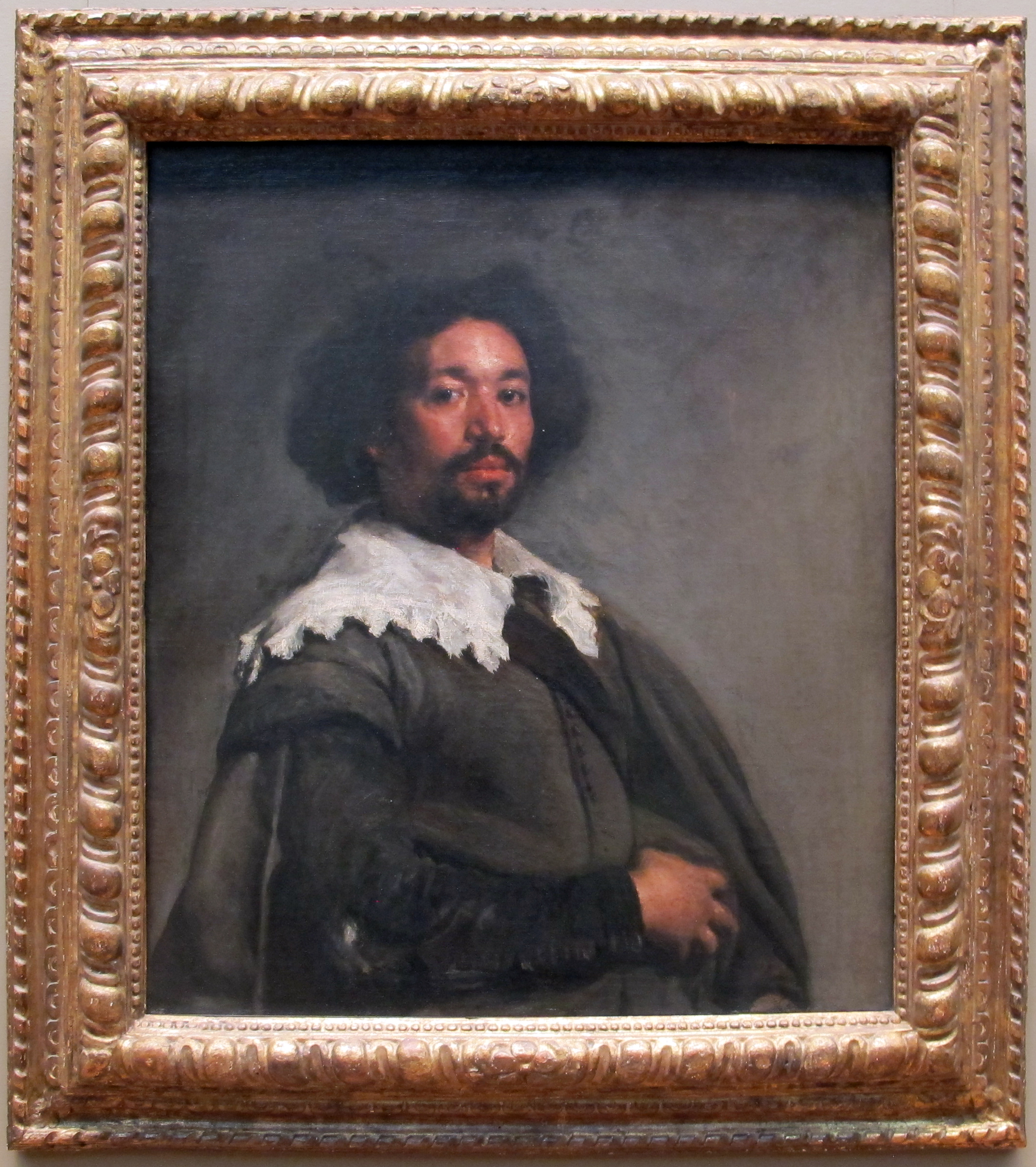
Spain | Afro-Spaniards: History, Identity, Equality and Recognition
LexNoir Atlas: An introduction to Afro-Spaniards and Black communities in Spain, from early Afro-Iberian history to contemporary equality law, migration, racial data, discrimination and belonging.
-
·
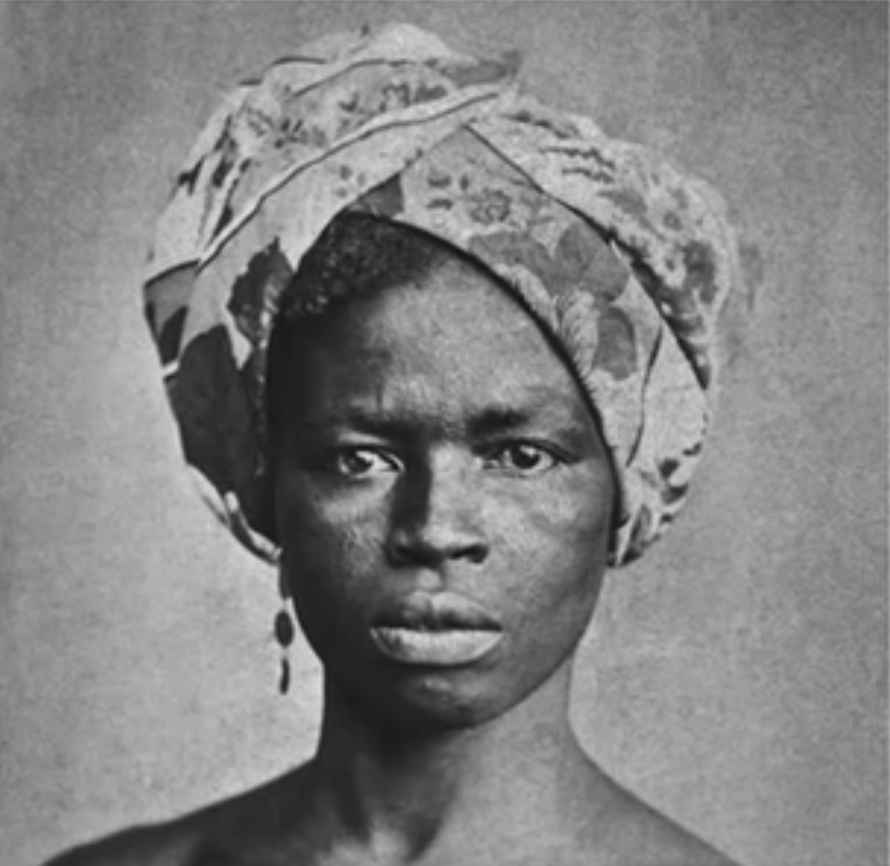
Brazil | Afro-Brazilians: History, Law, Identity and Contemporary Issues
LexNoir Atlas: An introduction to Afro-Brazilians, Brazil’s racial classifications, the legacies of slavery and abolition, constitutional protections, affirmative action, quilombola rights and contemporary equality issues.
-
·
Company to Pay $1.5 Million in EEOC Hiring Discrimination Case
Website Brief: The EEOC says a Denver-area company limited the hiring of Black applicants and also discriminated against women and Afghan applicants.
