
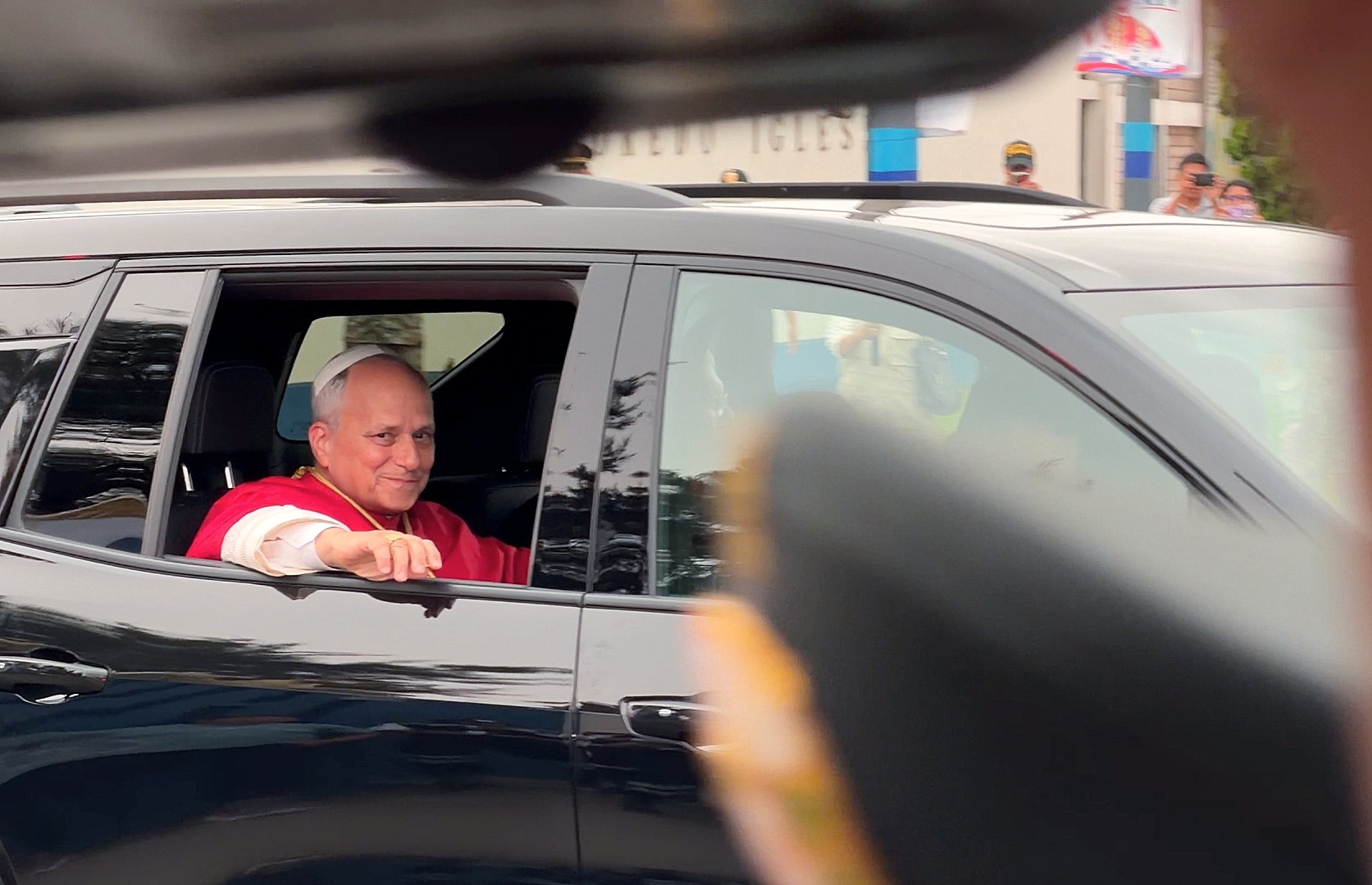
During a November 14, 2026 visit to Zaña in northern Peru, Pope Leo XIV acknowledged the history of African enslavement and recognized the enduring contributions of Afro-Peruvian communities. His remarks also drew attention to discrimination and insecurity affecting families in the region.
What Happened
Speaking at the Shrine of Saint Toribio de Mogrovejo, the Pope recalled the Africans forcibly separated from their homes and subjected to slavery in Peru. Addressing their descendants, he expressed solidarity and praised their faith, traditions and contributions to the Church.
He also spoke about contemporary challenges, including crime, extortion, insecurity and discrimination. The remarks were part of a pastoral visit, not an announcement of new legislation or a reparations initiative.

Why It Matters
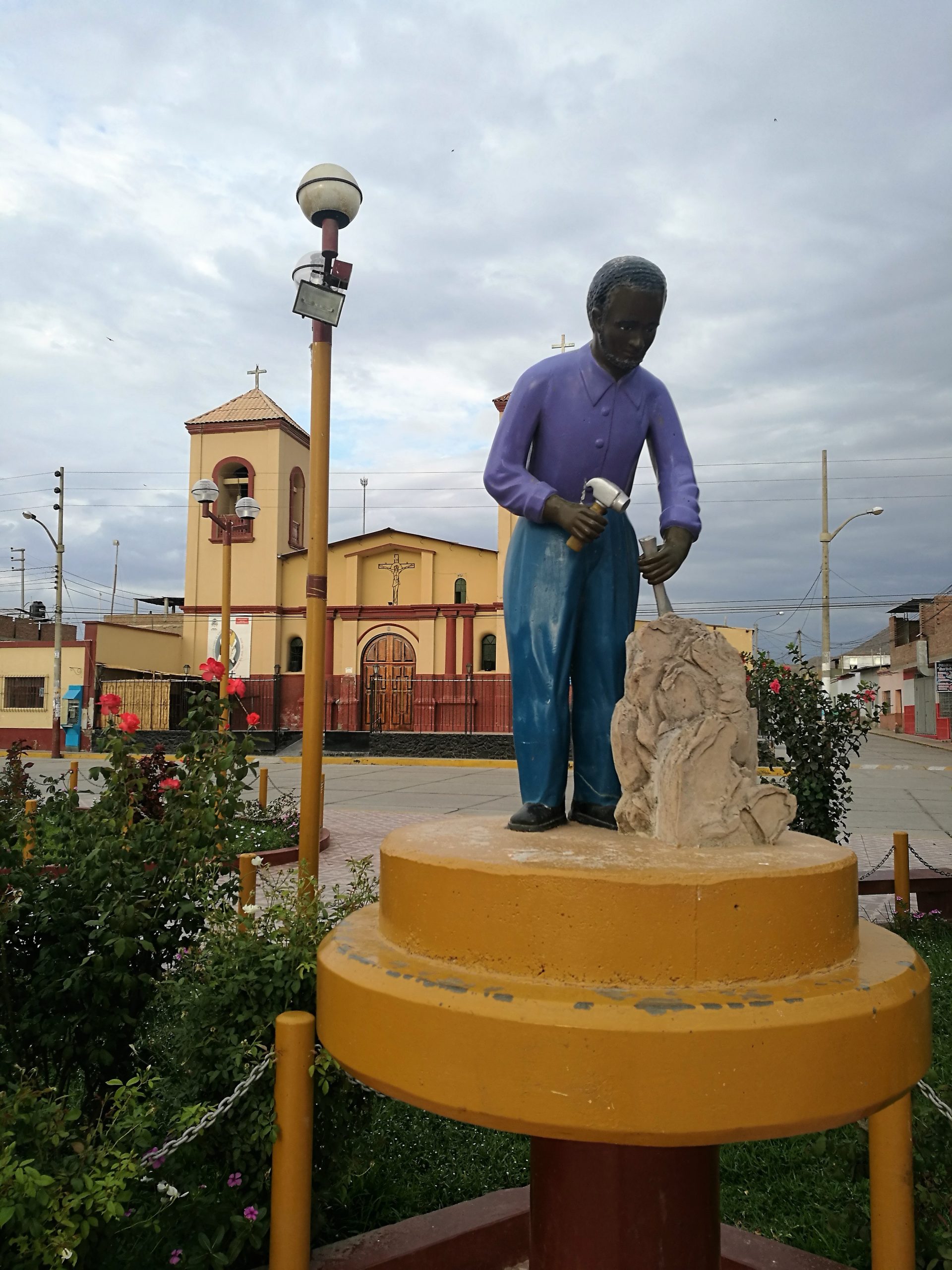
Zaña is an important center of Afro-Peruvian memory and cultural heritage. The visit places international attention on a community whose role in Peru’s history has not always received proportionate recognition. It also underscores a distinction: acknowledging historical injustice is meaningful, but recognition alone does not eliminate discrimination or unequal access to opportunity.
The LexNoir View
The Pope’s acknowledgment of Afro-Peruvian history offers an opportunity to examine the relationship between historical memory, cultural recognition and contemporary equality. Sustained progress requires attention to the voices, rights and opportunities of Afro-descendant communities themselves.
For more background, read LexNoir Atlas Peru | Afro-Peruvians.