
LEXNOIR LN-3
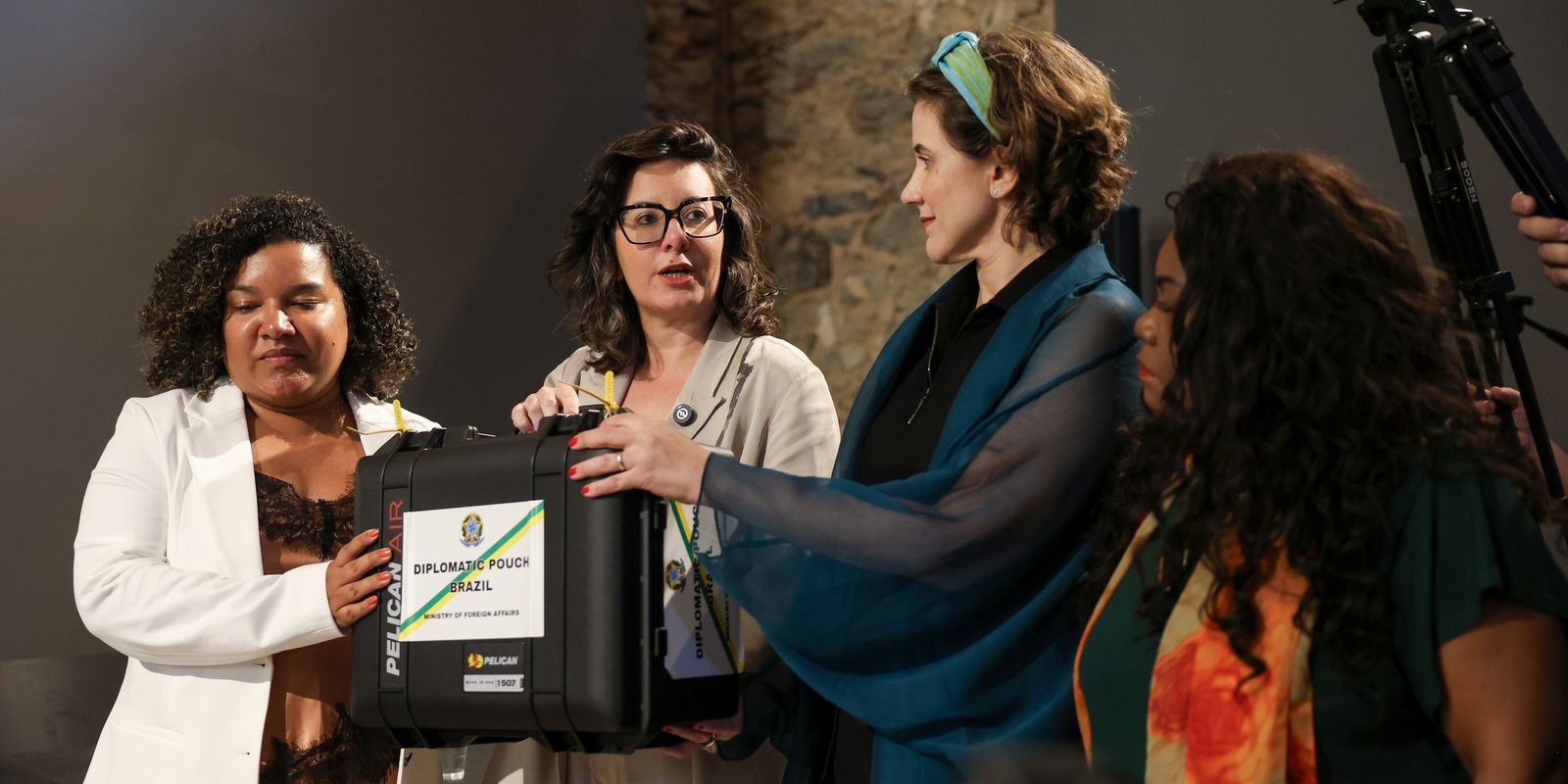
Featured photograph: Participants holding the diplomatic pouch at the repatriation ceremony at the National Museum in Rio de Janeiro, November 11, 2026. Photo: Tomaz Silva/Agência Brasil.
Two enslaved people’s remains have returned to Brazil after more than a century in Harvard collections.
Their return raises a question of dignity and authority: who decides how the remains of enslaved people are cared for and laid to rest?
What Happened
On November 11, 2026, Brazil announced the repatriation of the remains of two enslaved people removed from the country during the nineteenth century.
Federal universities in Bahia and Rio de Janeiro received temporary custody. Final arrangements will be developed in consultation with affected communities, respecting their cultural and religious traditions.
Historical records suggest that the man returned to Bahia may have participated in the 1835 Malê uprising, an African-led revolt against slavery in Salvador. That association remains uncertain.
The repatriation followed advocacy by civil-society representatives and negotiations involving Brazilian authorities, universities and Harvard.
Why It Matters
The removal of human remains extended the treatment of enslaved people as objects beyond their deaths.
Repatriation creates an opportunity to restore dignity through decisions about custody, remembrance and burial. The commitment to consult affected communities gives those decisions a connection to living cultural and religious traditions.
For the African diaspora, the case also brings museum collections into the discussion of historical repair: how institutions acquired ancestral remains, how they account for that history, and how communities participate in their return.
LexNoir View
Historical repair takes practical form when communities help determine how their ancestors are remembered and laid to rest.
Sources
Joint statement from Brazil’s foreign affairs and human rights ministries, November 11, 2026
Ministry of Human Rights and Citizenship account of the return to Bahia, November 11, 2026