-
·
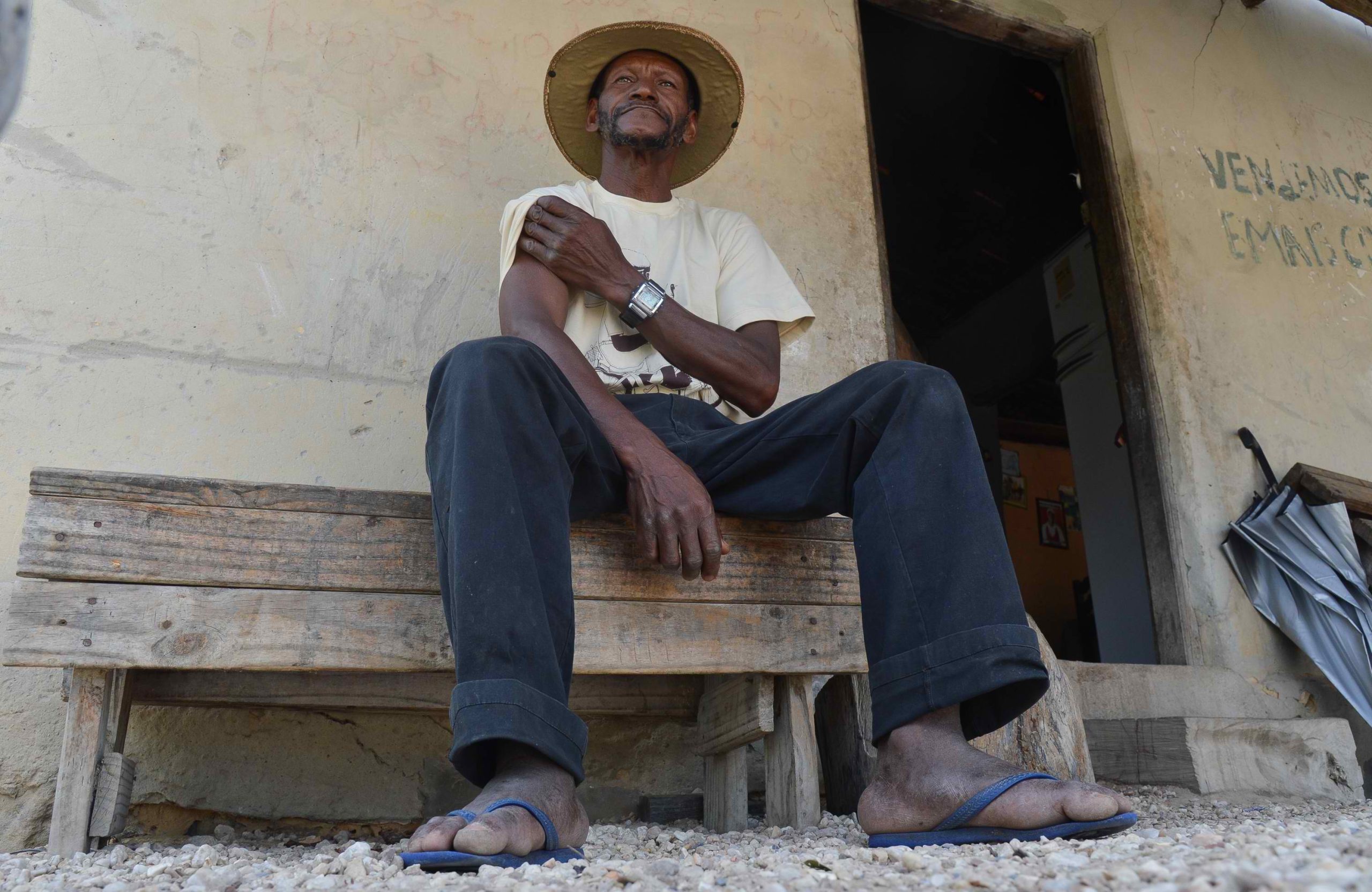
Brazil | Quilombola Communities: Land, Identity, Rights and Recognition
LexNoir Atlas: An introduction to quilombola communities in Brazil, their history, self-identification, constitutional land rights, titling, census recognition, health policy and contemporary implementation challenges.
-

·
Brazil | Afro-Brazilians: History, Law, Identity and Contemporary Issues
LexNoir Atlas: An introduction to Afro-Brazilians, Brazil’s racial classifications, the legacies of slavery and abolition, constitutional protections, affirmative action, quilombola rights and contemporary equality issues.
-

·
Mexico | Afro-Mexican Communities: History, Legal Recognition and Contemporary Issues
LexNoir Atlas: An introduction to Afro-Mexican communities, their history, constitutional recognition, census visibility, institutions and contemporary legal and social issues.
-

·
The Law of Return — Citizenship, Descent and the African Diaspora
Benin, Barbados, Jamaica and Ghana show how diaspora connection can translate into nationality, citizenship or residence rights—with very different legal consequences.
-
·
Europe | EU Governments Back a Stronger Anti-Racism Agenda
EU justice ministers have approved conclusions backing implementation of the EU Anti-Racism Strategy 2026–2030, reinforcing the bloc’s existing anti-discrimination framework without creating new binding law.
-

·
Global | Who Is Building the Reparations Architecture?
LexNoir Explained: CARICOM, the African Union and the United Nations are beginning to form an interconnected institutional architecture around reparatory justice.
-
·
Reparations — From Moral Claim to Legal Framework
Reparations are increasingly being framed not only as questions of history and morality, but through law, institutions, diplomacy and remedy.
-

·
Quilombola Rights — How Brazil Turned History, Identity and Land Into Law
Brazil’s quilombola framework links identity, history and territory to a distinct system of collective legal rights.
-

·
What Does Reparatory Justice Actually Mean?
CARICOM’s framework treats reparatory justice as a program of structural repair—not simply a debate over financial compensation.
-

·
Mexico | From Recognition to Rights: Afromexican Justice Plan
Mexico’s Costa Chica justice plan tests how constitutional recognition of Afromexican peoples translates into institutions, resources and practical rights.
