
Region: Europe & Eurasia | Community: Afro-Russians and people of African descent in Russia
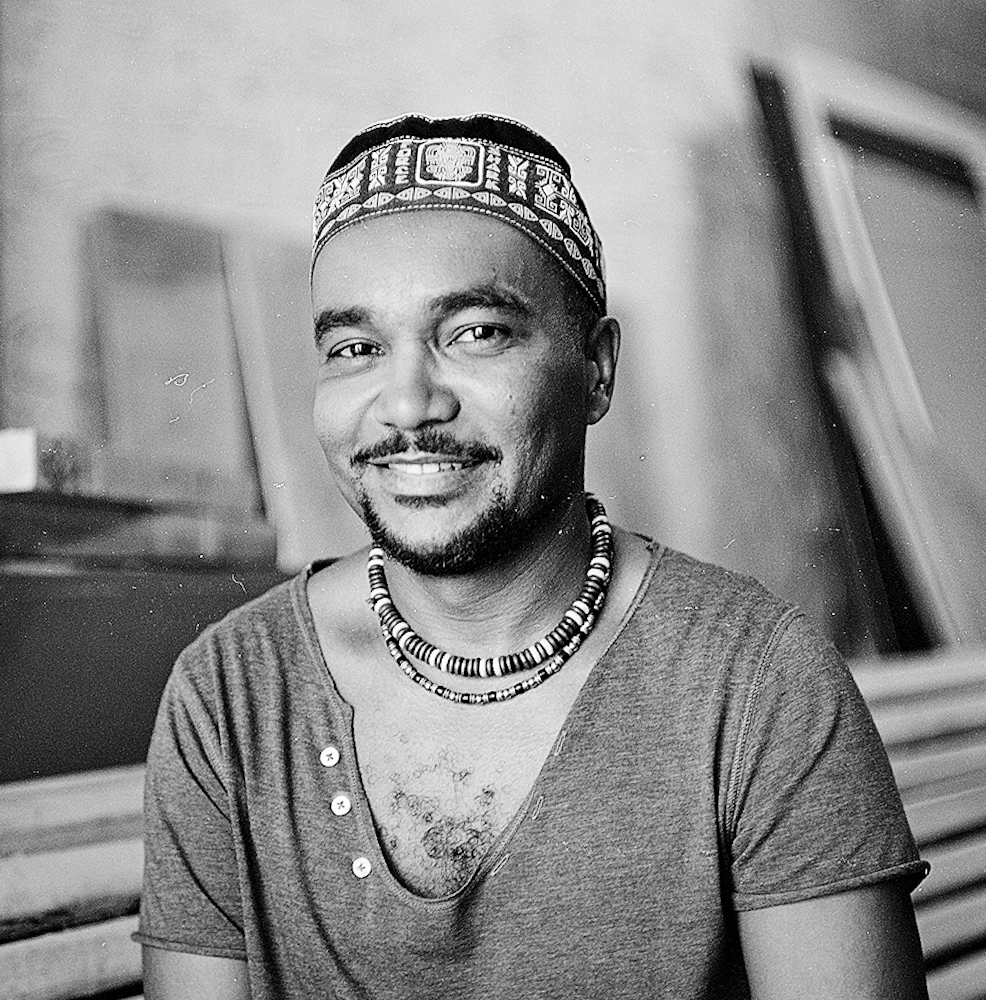
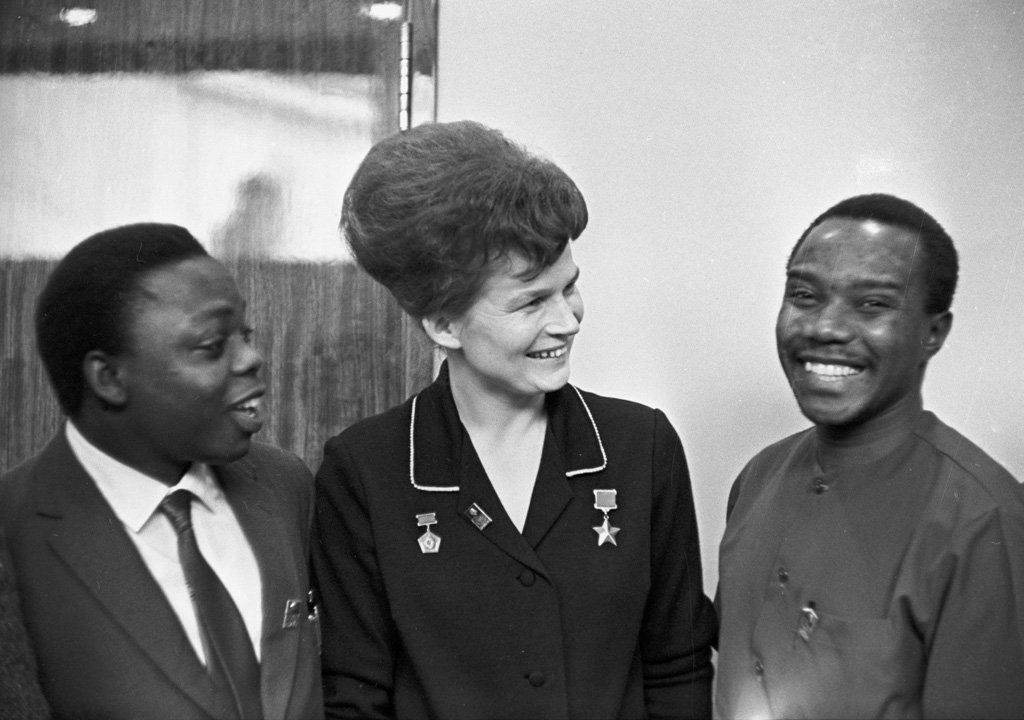
Featured image: Russian actor Grigory Siyatvinda, photograph by Ppmarat (2011) / Wikimedia Commons (CC BY-SA 3.0). Secondary image: Valentina Tereshkova and African delegates, March 30, 1966. Vladimir Akimov / RIA Novosti Archive, image #616889 (CC BY-SA 3.0). Original photographs reproduced without editorial alteration.

From the African ancestry of Russia’s national poet to the arrival of African and African American students, intellectuals, and workers during the Soviet era, the history of people of African descent in Russia is deeper than is commonly recognized.
An African Presence Across Russian History
Russia is rarely placed at the center of African diaspora history. Yet people of African descent have contributed to its literature, military service, education, science, and cultural life. Their experiences do not follow one historical path. The African presence in Russia developed through imperial court life, individual migration, political exchanges, Soviet educational programs, international relationships, and contemporary mobility.
Some Afro-Russians are Russian citizens born and raised in the country, including descendants of families formed during the Soviet period. Others are recent immigrants, students, and temporary residents. These groups should not be treated as interchangeable.
1. Abram Gannibal and the Ancestry of Alexander Pushkin
Abram Petrovich Gannibal, an African-born man brought to Europe as a child, became a military engineer and general in imperial Russia. His precise African birthplace remains disputed. He received an education and advanced through military service during and after the reign of Peter the Great.
Gannibal’s great-grandson, Alexander Pushkin (1799–1837), became a foundational figure in Russian literature. Pushkin knew of his African ancestry and drew on his family history in the unfinished work The Moor of Peter the Great. His place in Russia’s cultural canon complicates any assumption that African ancestry is wholly foreign to Russian history.
2. African Americans and the Soviet Experiment
After the Russian Revolution, some African American writers, activists, artists, and skilled workers traveled to the Soviet Union. Their motivations included political solidarity, professional opportunity, and the possibility of escaping American segregation. Langston Hughes traveled there in 1932. Robert Robinson, a Jamaican-born Black American toolmaker, moved to the Soviet Union in 1930 and spent decades working there.
The Soviet state condemned American racism, but the reality of Black life was more complicated than official rhetoric. Visitors and residents encountered opportunities, ideological restrictions, racial stereotypes, and the wider political limitations of Soviet society. Their experiences illuminate both the appeal and the contradictions of Soviet internationalism.
3. African Students and the Cold War
The expansion of Soviet ties with newly independent African states brought thousands of African students to universities to study medicine, engineering, agriculture, and other subjects. Peoples’ Friendship University opened in Moscow in 1960 and was renamed for Congolese leader Patrice Lumumba in 1961.
Many graduates later contributed to professional and public life in their home countries. Others established families or careers in Soviet and post-Soviet society. African students also experienced social isolation, discriminatory treatment, and sometimes racist hostility, despite the official language of international solidarity.

4. The Emergence of Afro-Russian Identity
Relationships formed between Africans and Russians contributed to families whose children grew up navigating questions of ancestry, nationality, appearance, and belonging. Some remained in Russia; others moved between Russia and African countries. The term Afro-Russian may describe some of these experiences, but not everyone of mixed African and Russian ancestry adopts it.
These communities do not have a single language, geographic homeland, or common date of arrival. That diversity is essential when discussing identity and community interests.
5. Counting People of African Descent
Reliable demographic estimates are difficult because Russia does not collect a standardized Black or African-descended census category comparable to those used in some other countries. Published estimates vary widely depending on whether they count African nationals, foreign students, migrants, or Russian citizens with African ancestry. An estimate of African international students cannot be treated as a population count of Afro-Russians.
Moscow and Saint Petersburg are important centers of African educational and professional networks, but individuals and families of African descent live elsewhere. The absence of disaggregated racial statistics makes measuring inequalities especially challenging.
6. Constitutional Equality and Discrimination
Article 19 of the Russian Constitution formally guarantees equality before the law and prohibits restrictions on rights based on race, nationality, language, origin, religion, and other characteristics. The crucial legal question is whether those guarantees produce effective protection in practice.
Human rights researchers have documented racist violence, xenophobic harassment, and discrimination against various minority and migrant populations. SOVA Research Center reported racist violence during 2024; Human Rights Watch described continued xenophobic abuse in its World Report 2026. These broader patterns should not be misrepresented as data exclusively concerning Africans.
For African foreign nationals, visa status, residence authorization, student enrollment, and employment eligibility can add distinct legal vulnerabilities. For Russian citizens of African descent, questions of equal treatment and recognition arise independently of migration law.
7. Contemporary Educational and Cultural Connections
Russian universities continue to recruit students from African countries, and international educational exchange remains an important connection between Russia and the continent. Some students return after completing their degrees; others establish longer-term relationships, families, or professional lives in Russia.
The distinction between temporary international mobility and established African-descended communities is essential. Both are part of the history, but they should not be conflated.
8. Visibility and Historical Memory
The prominence of Pushkin, the experiences of Black visitors during the early Soviet period, the universities that educated generations of Africans, and the lives of contemporary Afro-Russian families all complicate narrow definitions of Russian identity. African presence is not simply an external diplomatic relationship; it also forms part of Russia’s internal social and cultural history.
LexNoir Perspective
Russia presents a distinctive African diaspora history that did not arise primarily from the transatlantic plantation economy. Its pathways include imperial service, political migration, industrial work, student exchange, and family formation. These histories expose a tension between formal antiracist or equality commitments and lived experiences of exclusion.
Gannibal and Pushkin make African ancestry visible within Russia’s national literary heritage. Soviet educational initiatives helped create global networks and new families. Contemporary experiences show why constitutional equality must be measured against actual legal protection, social attitudes, and access to opportunity.
African heritage in Russia is not merely a story of foreigners arriving in an unfamiliar country. It is also a story of people who have helped shape Russian history, whose descendants are Russian, and whose lives challenge narrow definitions of national belonging.
Sources and Further Reading
- Cambridge University Press — Pushkin Between Russia and Africa
- Slavic Review — Histories of Color: Blackness and Africanness in the Soviet Union
- Black in the USSR — Scholarly Research
- Annual Review of Anthropology — African Presence in Former Soviet Spaces
- Russian Constitution — Article 19
- SOVA — Racist Violence, 2024
- Human Rights Watch — Russia, World Report 2026
- Study in Russia — Russia–Africa Educational Cooperation