
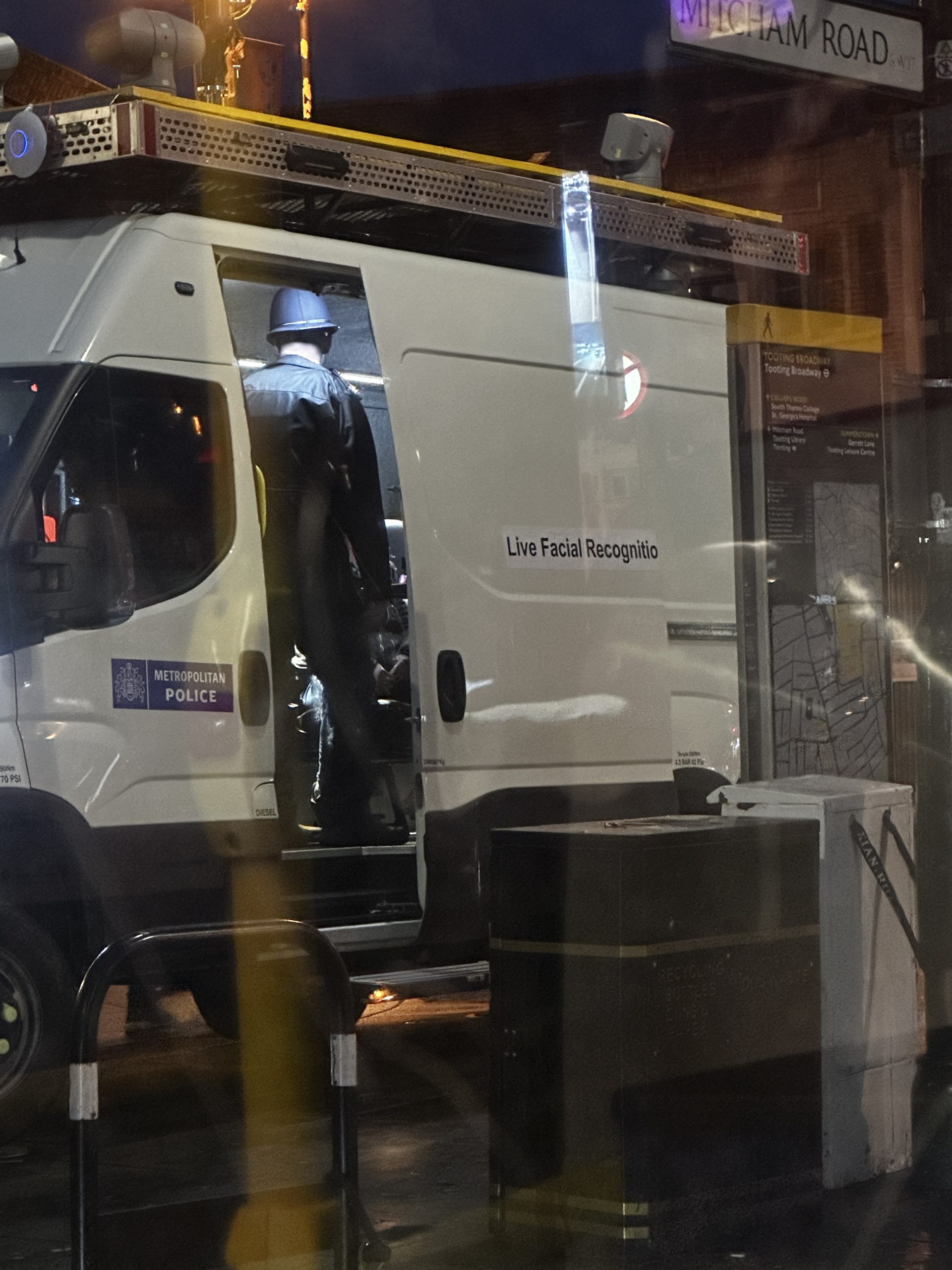
Featured image: Secretlondon, CC BY-SA 4.0; resized for publication.

What Happened
On November 4, 2026, the UK government announced plans for a statutory framework governing facial recognition, biometrics and related surveillance technologies used by law enforcement in England and Wales. The proposed framework would establish independent oversight, enforceable standards, bias testing and a statutory code of practice. These are proposals, not enacted legislation.
What the Evidence Shows About Racial Disparities
Independent testing of retrospective facial recognition searches on the Police National Database found that, in certain circumstances, the algorithm was more likely to return incorrect potential matches for some demographic groups. The Home Office has acknowledged the findings and procured a replacement algorithm, which it says can be operated at settings without statistically significant demographic bias. The Information Commissioner’s Office publicly criticized the failure to disclose the historical bias earlier.
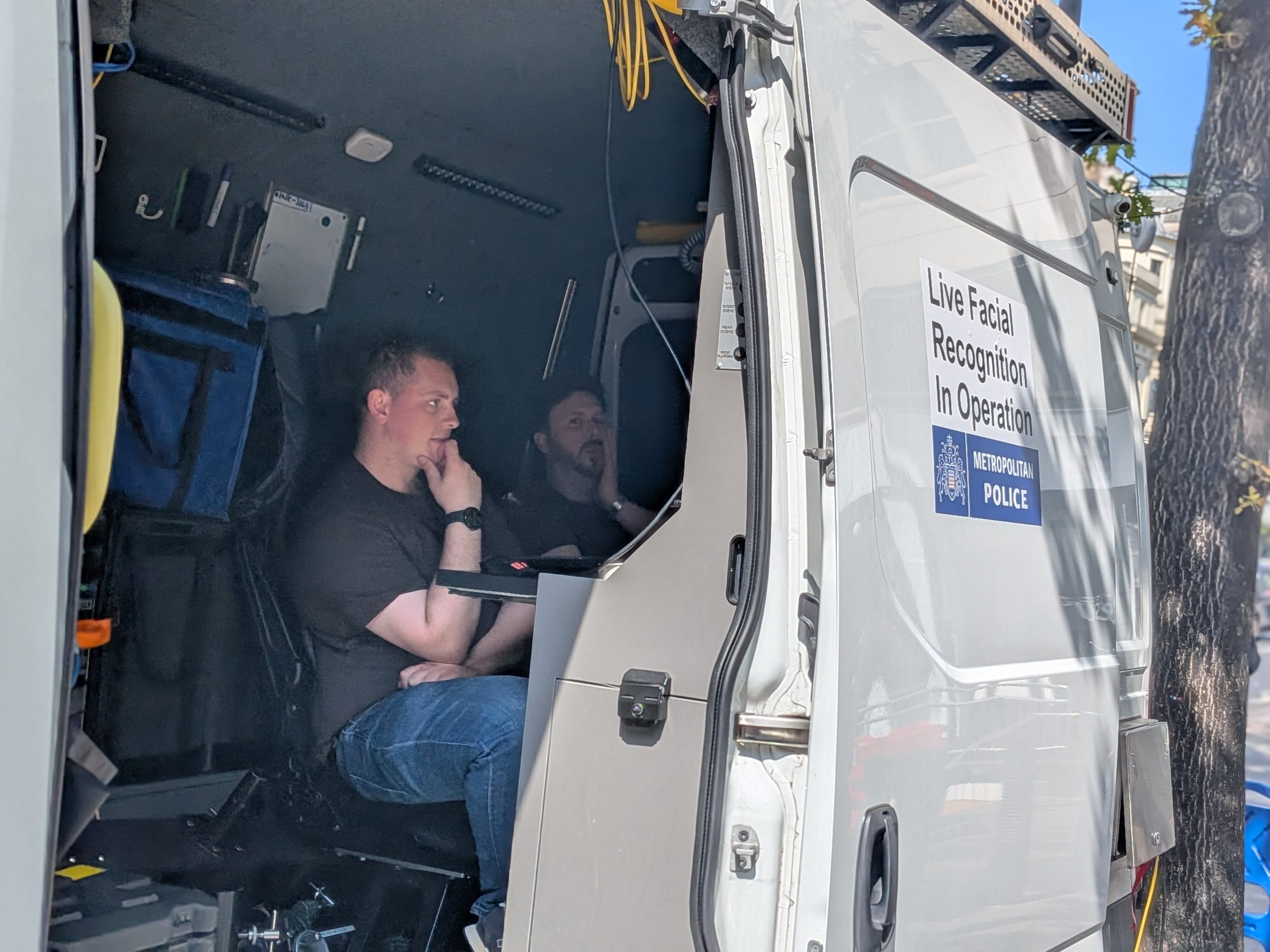
These findings concern retrospective facial recognition, which searches existing image databases. They should not be conflated with live facial recognition, which scans people passing cameras against a watchlist. For the live system used by the Metropolitan Police and South Wales Police, the government reports that independent testing found no statistically significant differences by ethnicity, age or gender at the operational settings tested. That does not, by itself, settle questions about where cameras are deployed, how watchlists are assembled, or what happens after an alert.

The Racial Equality Question
For Black British communities, the issue extends beyond algorithmic accuracy. A mistaken match can lead to questioning or other police intervention; surveillance decisions and watchlist composition may also create unequal impacts even where a particular algorithm performs consistently across demographic groups. Evidence of differing technical error rates is not, without more, proof that a specific police deployment unlawfully discriminated against an individual.
The Legal Framework
The government proposes independent oversight, scientific testing for bias, statutory rules and safeguards requiring that deployments be justified, necessary and proportionate. The final protections will depend on the legislation Parliament enacts and how oversight operates in practice. The 2020 Bridges litigation concerning South Wales Police underscored the importance of lawful authorization, data protection and the public-sector equality duty in live facial-recognition deployment.
Immigration Enforcement and the Diaspora
The Home Office also uses facial-recognition technology in immigration enforcement. For African, Caribbean and other migrant communities, the relevant questions include which people are placed on watchlists, how information is retained, what recourse exists for incorrect matches and whether equivalent safeguards apply across public authorities.
The LexNoir Perspective
Public safety is a legitimate government objective. But technological effectiveness cannot substitute for accountability. Independent testing, transparent deployment records, scrutiny of watchlists, meaningful community participation and effective remedies are essential. The defining question is not simply whether facial recognition can make policing more effective, but whether its use can be demonstrably fair, proportionate and accountable.
What to Watch
Parliamentary consideration of the proposed legislation; the powers of the independent oversight body; the results of new algorithm testing and operational evaluation; and safeguards for immigration-enforcement deployments.
Sources and Further Reading
- Home Office, Stronger Laws for Police Using Facial Recognition Technology (Nov. 4, 2026)
- Home Office, Government Response to Consultation (Nov. 4, 2026)
- UK Parliament, Written Answer on Demographic Bias (Feb. 12, 2026)
- Information Commissioner’s Office, Statement on NPL Findings (Dec. 5, 2025)
- Home Office, Police Use of Facial Recognition Factsheet