
Region: South America | Community: Afro-Venezuelans
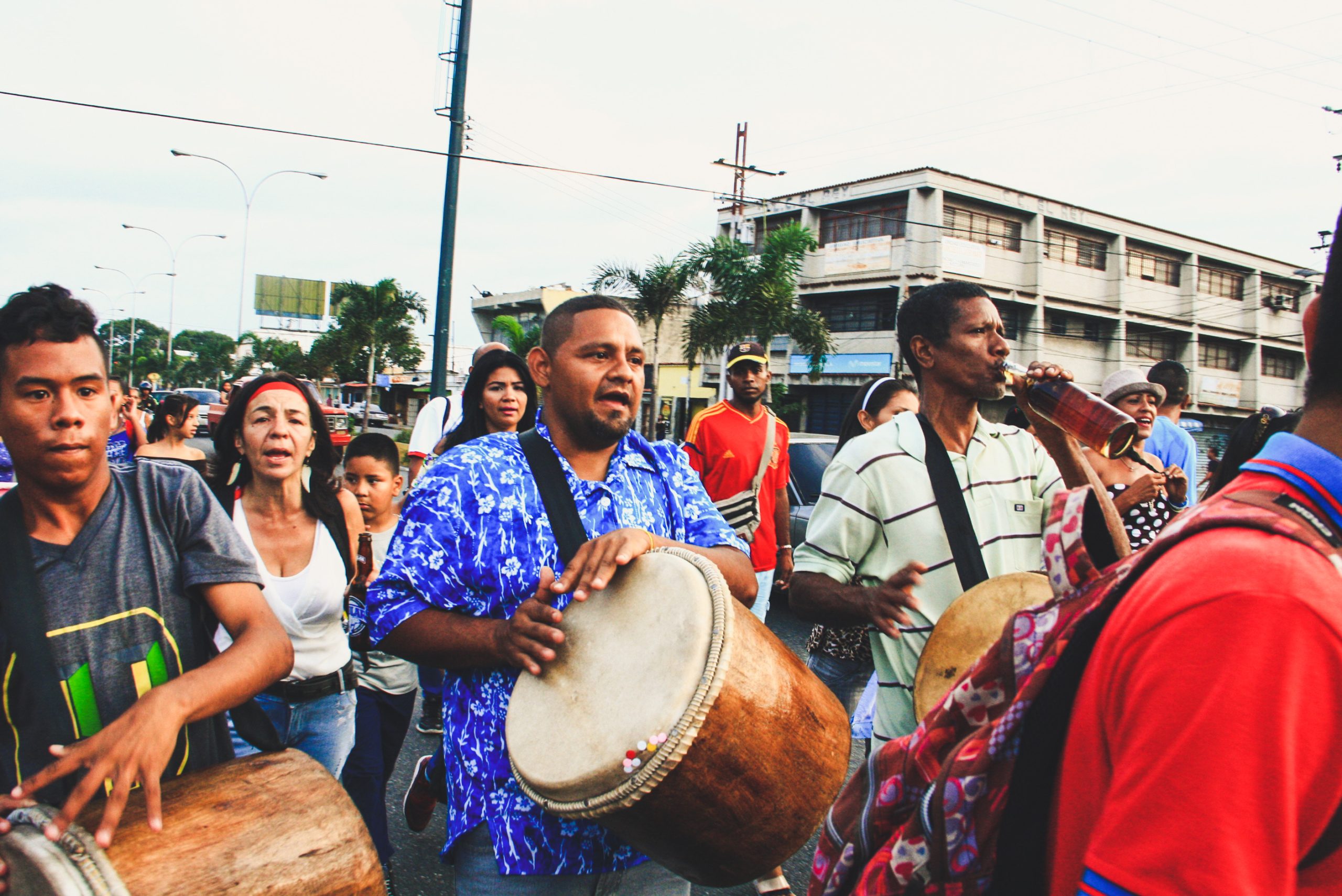
Featured photograph: San Juan Bautista celebration. Salteveneno / Wikimedia Commons (CC BY-SA 4.0). License.
A Community Woven into Venezuela’s National Identity
Along Venezuela’s Caribbean coast, in Barlovento, the valleys of Aragua and communities surrounding Lake Maracaibo, African heritage is embedded in music, religious traditions, agriculture and collective memory. Afro-Venezuelans descend from Africans brought through the transatlantic slave trade and generations shaped by African, Indigenous and European encounters. Venezuela has long celebrated its mixed heritage while often overlooking the distinct experiences of its Afro-descendant population.
1. From Enslavement to Resistance
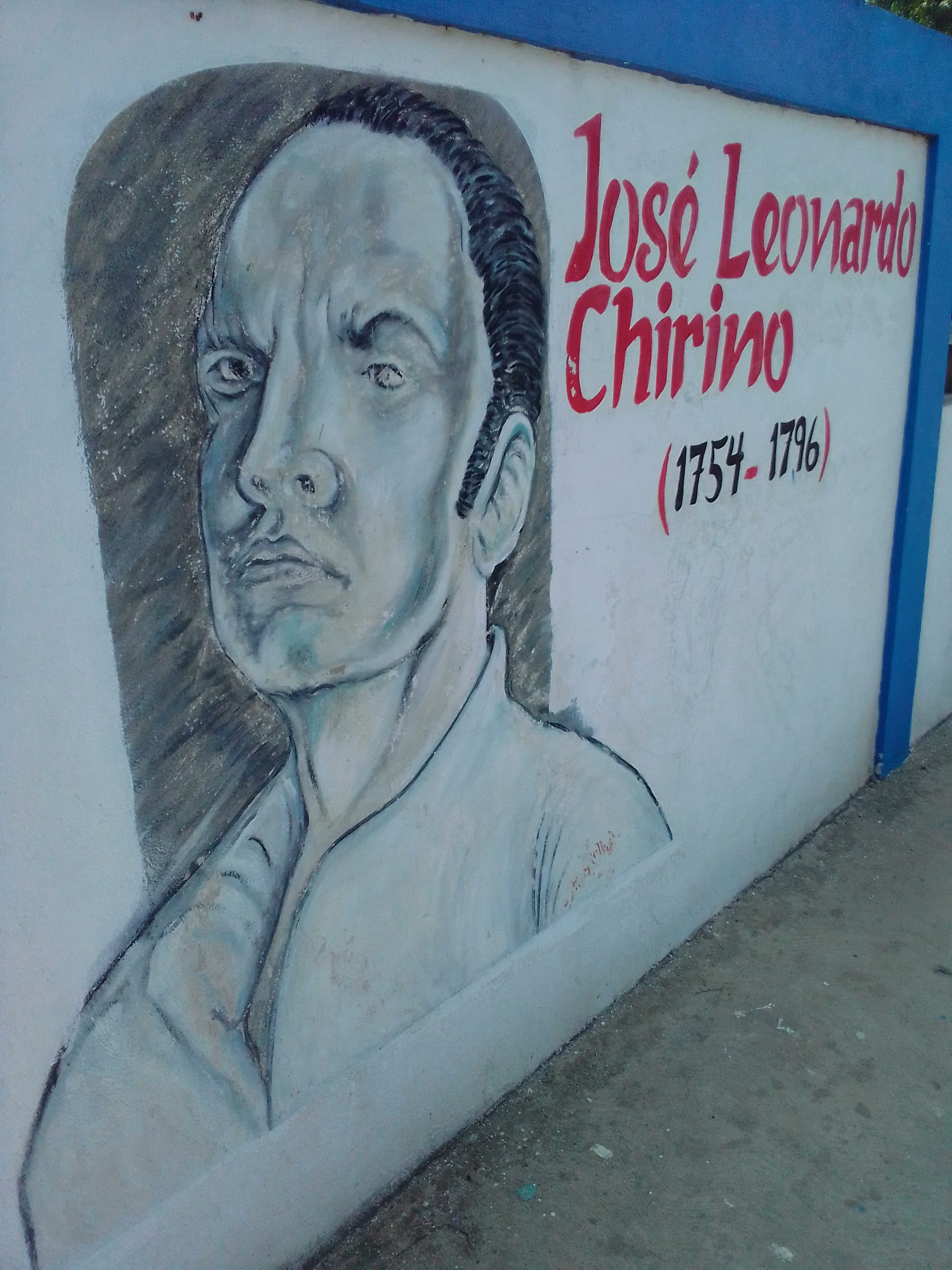
Beginning in the sixteenth century, enslaved Africans worked in agriculture, mining and domestic service. By the eighteenth century, their labor was central to cacao estates in Barlovento and the coastal valleys. Escaped enslaved people formed autonomous settlements called cumbes. In 1795 José Leonardo Chirino led an uprising near Coro demanding an end to slavery and colonial privileges. Authorities suppressed the revolt and executed Chirino in 1796. Venezuela abolished slavery in 1854, but emancipation did not erase inequalities rooted in colonial land ownership and labor.
2. Barlovento: African Heritage Alive
Barlovento in Miranda state remains a center of Afro-Venezuelan drumming, dance, religious celebrations and oral traditions. Each June, festivities honoring San Juan Bautista combine Catholic devotion with African-rooted musical practices. Drums carry collective memory and connect generations. In 2021 UNESCO inscribed Venezuela’s festive cycle honoring Saint John the Baptist on its Representative List of the Intangible Cultural Heritage of Humanity, recognizing its Afro-Venezuelan origins and connection to resistance and remembrance.
3. The Challenge of Being Counted
Venezuela’s 2011 census allowed people to identify as Black or Afro-descendant. Approximately 2.8% identified as Black and 0.7% as Afro-descendant. These categories do not capture everyone with African ancestry: many Venezuelans identified as moreno or morena, a broader category of brown or mixed identity. Without reliable disaggregated data, disparities in education, employment, housing and public services are difficult to measure. For advocates, visibility is a matter of policy as well as cultural recognition.
4. Recognition, Equality and Representation
Venezuela’s constitutional framework recognizes multiculturalism and prohibits discrimination. Yet celebrating African-derived culture does not necessarily mean recognizing racial inequality. Afro-Venezuelan communities continue to raise questions about demographic classification, representation, economic opportunity and the relationship between shared national identity and distinct historical experiences.
LexNoir Perspective
Venezuela illustrates a tension across the African diaspora in Latin America: African cultural influence can be celebrated nationally while Afro-descendant identity remains inadequately recognized. Chirino’s rebellion demonstrates organized resistance to slavery and colonial authority. Barlovento’s traditions demonstrate cultural survival across generations. And debates over racial identification show that recognition remains a legal and political question. The lesson extends beyond Venezuela: equality requires not only celebrating heritage but also counting communities accurately and addressing historical exclusion.