
Jamaica | Reparations | International Law
Jamaica’s petition asking British judges to address the legality of the enslavement of Africans and the United Kingdom’s potential obligation to provide a reparatory remedy has reached a new procedural milestone. The Judicial Committee of the Privy Council has provisionally scheduled a hearing for the week of March 8, 2027. The UK government’s response is due November 20, 2026.
What Happened
Jamaica filed the petition on September 7, 2026. King Charles III subsequently referred it to the Judicial Committee of the Privy Council under a rarely used statutory procedure. The petition asks whether the seizure, transportation and enslavement of Africans was lawful under English law; whether those acts violated international law; and whether Britain has a legal obligation to provide a reparatory remedy to Jamaica.
The petition does not seek a specific monetary award at this stage. The hearing date is provisional, and the judges have not yet answered the questions presented.
Why It Matters
Jamaica is seeking to move a long-running demand for reparatory justice into a formal legal forum. An advisory opinion could influence legal arguments and political discussions across the Caribbean and the wider African diaspora, even though it would not automatically require the United Kingdom to pay compensation.
The LexNoir Perspective
The significance of this proceeding lies in the legal questions now placed before the Privy Council: whether historical enslavement can be assessed against legal obligations, and what a meaningful remedy might entail. The answers—and the limits of an advisory process—will matter beyond Jamaica.
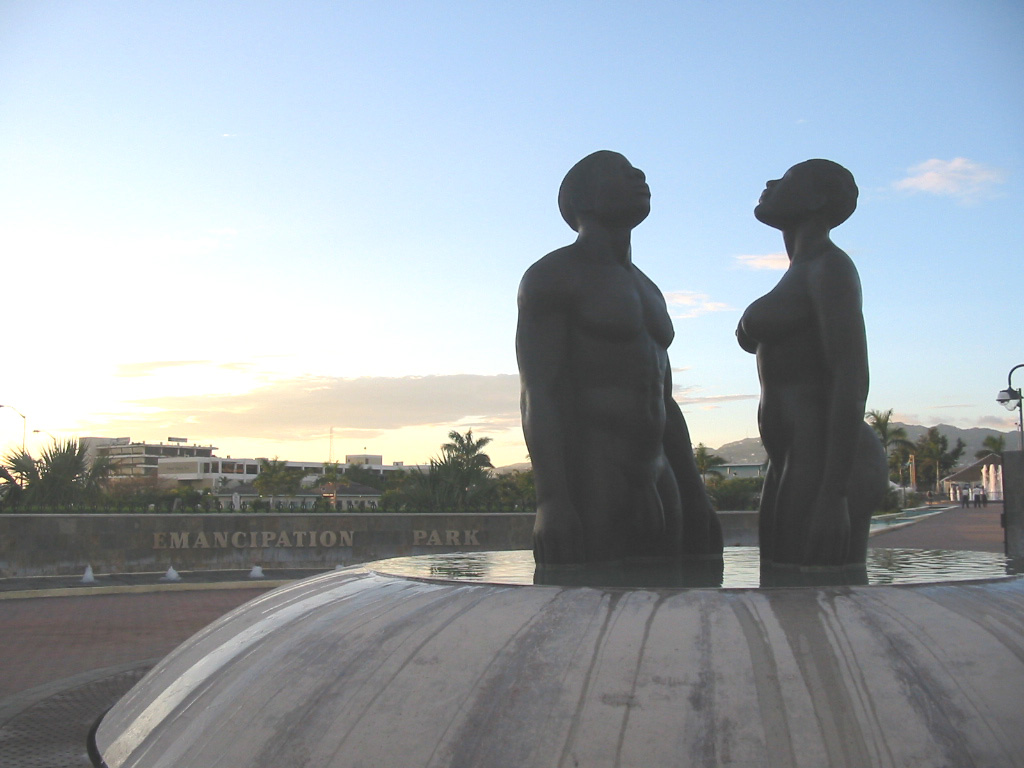
Featured photograph: Redemption Song monument, Emancipation Park, Kingston, Jamaica. Photograph by Gwyneth Davidson / Wikimedia Commons, licensed under CC BY-SA 3.0. Display may be resized or cropped; adaptations of the photograph are subject to the license’s ShareAlike conditions.
