
LEXNOIR ATLAS
The Black community that crossed south for freedom
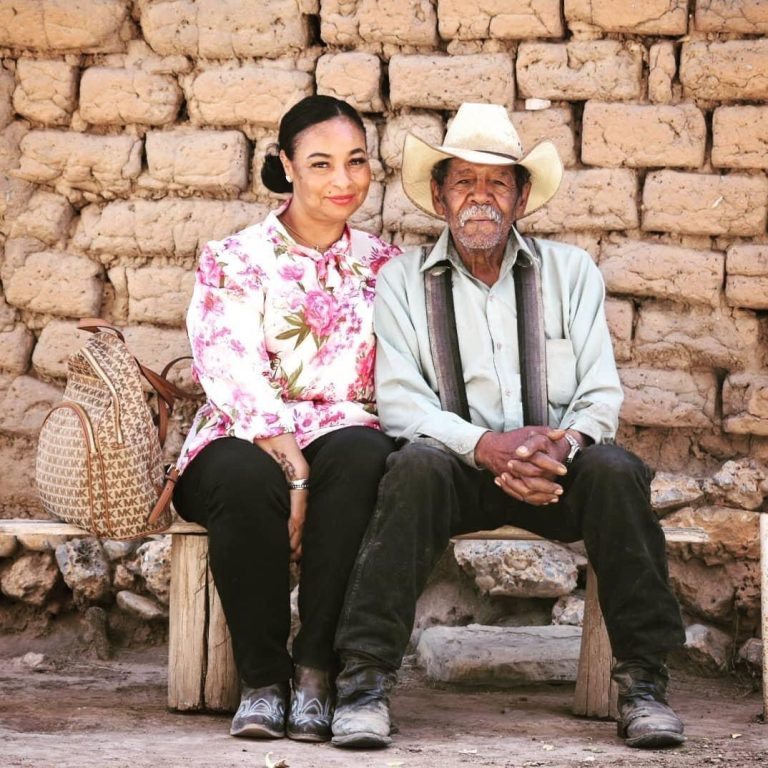
Featured photograph: Isabel Cristina Torralba and Mario Salazar, photographed by Raúl Torralba. Source: Ichan Tecolotl / CIESAS. CC BY-NC 4.0. No alterations.
In El Nacimiento, near Múzquiz in the northern Mexican state of Coahuila, the Mascogos preserve a history connecting Black resistance in the United States, Seminole alliances, and the search for freedom across an international border. Their story places northern Mexico firmly within the geography of the African diaspora.
For their ancestors, Mexico offered the possibility of building a life beyond the reach of American slavery. The community they established became a lasting home, sustained through family relationships, shared land, religious traditions, and connections across the border.
A Journey Toward Freedom
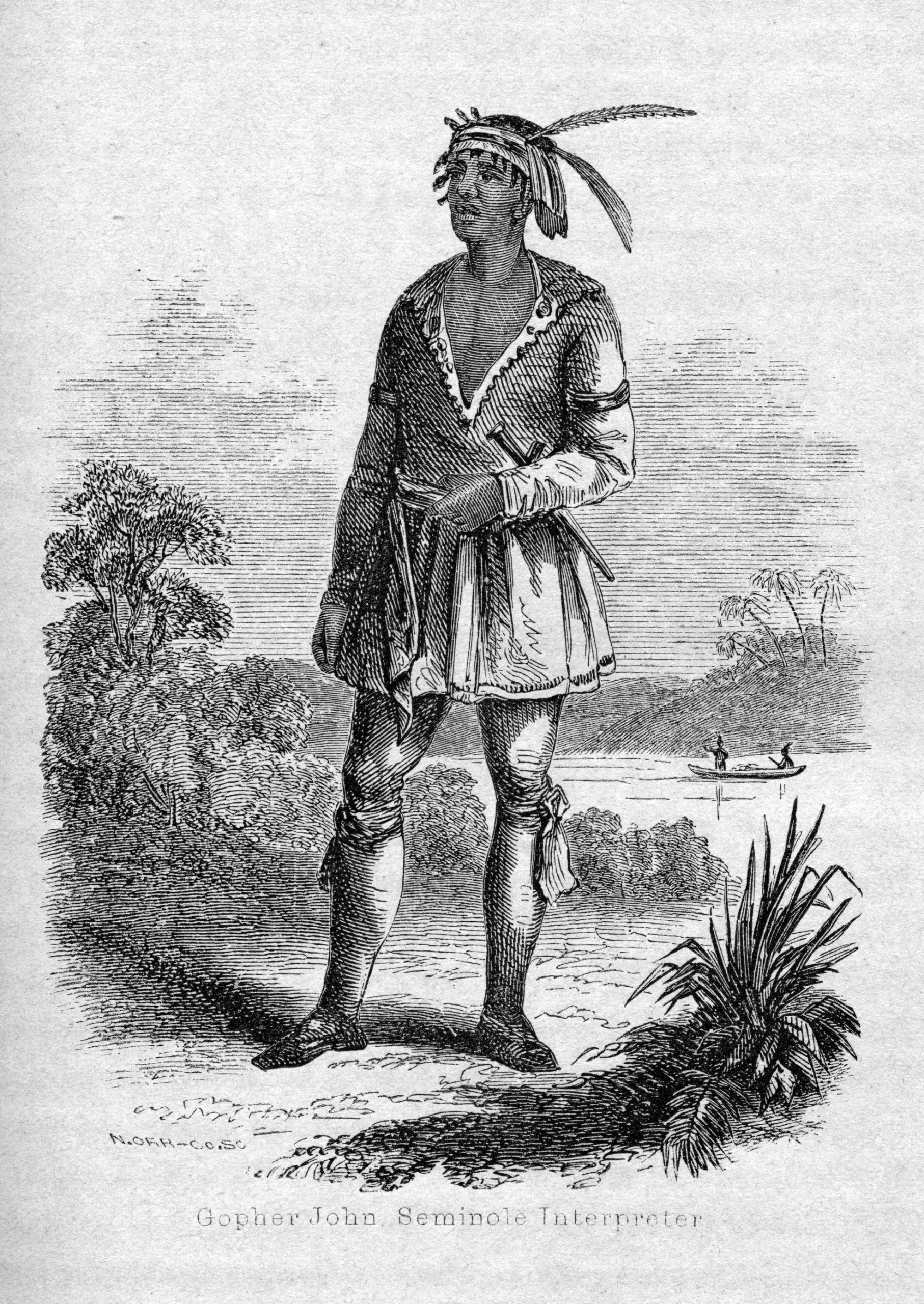
The Mascogos descend from Black Seminoles, whose history developed through relationships between people of African descent and Seminole communities in Florida. Following forced removal to Indian Territory, in what is now Oklahoma, Black Seminoles continued to face the danger of enslavement.
In 1850, a group led by Black Seminole leader John Horse—known in Mexico as Juan Caballo—and Seminole leader Coacoochee, or Wild Cat, traveled south into Mexico. Their migration was a collective effort to secure freedom after displacement had failed to bring safety.
Mexican authorities accepted the newcomers within a frontier settlement system that linked access to land with military service. Mascogo and Seminole fighters helped defend northern settlements, including in campaigns against Apache and Comanche groups. Their refuge therefore developed within another contested landscape, where Mexico’s expansion and security policies collided with the interests of other Indigenous peoples. The Mascogos ultimately established their enduring community at El Nacimiento.

A Community Sustained Across Borders
Settlement in Mexico did not end the community’s connections to the United States. Black Seminole communities also developed in Texas, particularly around Brackettville. Family histories consequently span both countries, connecting Mexican belonging with a wider Black Seminole world.
The community’s June 19 gathering brings those connections into view. Mexico’s cultural heritage inventory records the celebration as an occasion when families welcome relatives returning from the United States and other places. It joins remembrance of freedom and settlement with the practical work of keeping dispersed families connected.
Other traditions carry that history through sound and food. Capeyuye, a tradition of spiritual singing, uses unaccompanied voices and handclapping. Mexico’s cultural authorities describe it as part of a heritage shaped by African, Seminole, and Mexican influences.
The Recetario mascogo de Coahuila documents another form of continuity: recipes adapted to the ingredients and conditions of northern Mexico while retaining connections to the community’s earlier experiences. Together, these practices show how heritage survives through repeated acts of gathering, cooking, singing, and teaching.
Recognition and Belonging
The Mascogos broaden the familiar geography of Afro-Mexican history beyond the coastal communities of Guerrero, Oaxaca, and Veracruz. Their experience also demonstrates how African-descended and Indigenous histories can intersect while retaining distinct community identities.
Mexico’s 2024 constitutional reform provides an important national framework for Afro-Mexican recognition. Article 2 recognizes Afro-Mexican peoples and communities as subjects of public law, with legal personality and their own patrimony. It also addresses their cultural identity, contributions to national history, and inclusion in official information and statistics.
For a community such as the Mascogos, that framework raises a practical question: how can national recognition support the continued transmission of a particular community’s history, traditions, and relationship to place? Constitutional visibility creates an opening; its value will depend on implementation that responds to communities themselves.
LexNoir Perspective
The Mascogo story expands how we understand the relationship between Mexico and Black America. Long before contemporary conversations about diaspora solidarity, Black families crossed into Mexico seeking security and a future they could help shape.
Their descendants embody a connection built through refuge, negotiation, service, and family life. El Nacimiento deserves attention as a living community whose members continue to carry that history forward.
For the global African diaspora, the Mascogos offer a particularly powerful lesson: freedom has depended on the ability to move, the ability to remain, and the ability to make a place home.
Sources and Further Reading
- INPI — Mascogos. Pueblo de afrodescendientes en el norte de México.
- U.S. National Park Service — Black Seminole Indian Scouts.
- CIESAS — Los Mascogos y la protección de la frontera: una colonia militar en Coahuila.
- Secretaría de Cultura — Capeyuye, canto tradicional del grupo mascogo.
- Secretaría de Cultura — June 19 Mascogo celebration.
- Secretaría de Cultura — Recetario mascogo de Coahuila.
- Diario Oficial de la Federación — Constitutional reform of September 30, 2024.